Why Your Carpets Still Look Dirty After Vacuuming

The Real Cause Behind Carpets That Never Look Fully Clean
You vacuum regularly, but your carpets still look dull, gray, or dusty. For many Ames homeowners, that’s frustrating: you expect vacuuming to restore a fresh look, yet the carpet’s high-traffic areas stay darker and stains remain visible. Understanding why vacuuming alone often falls short will help you choose the right maintenance routine and decide when a professional deep clean is needed.
Vacuuming is essential, but it only removes dry surface soil. Over time, carpets accumulate embedded grit, oils from shoes and skin, pet dander, and fine dust that vacuums cannot remove without proper technique, strong suction, and pre-treatment. Many of the common causes are mechanical (vacuum problems), physical (carpet wear and matting), or chemical/biological (oily residues, pet urine, mold)—and each requires a different fix. Several simple adjustments to vacuuming technique and maintenance can improve results; in other cases, a professional hot-water extraction or Rotovac deep clean is the right solution.
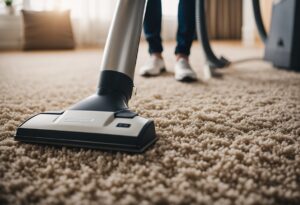
Why Vacuuming Alone Often Isn’t Enough
Vacuums are designed to pick up loose, dry debris and surface dust. They are not made to dissolve or lift oily residues, remove bonded stains, or restore crushed fibers. When carpets look “dirty” after vacuuming the reasons usually fall into a few recurring categories: embedded soil, vacuum failure or poor technique, fiber damage and matting, old stains and residues, and airborne micro-dust that has settled deep in the pile. These are explained below with practical solutions.
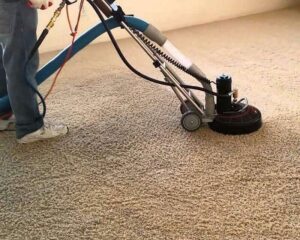
Embedded Soil and Grease
Daily foot traffic brings small abrasive particles that grind into carpet fibers. Over time these particles abrade and compact fibers; they also combine with body oils and other residues to form a sticky film that attracts more dirt. A vacuum will remove loose particles but cannot dissolve the oily film; only a hot-water extraction or professional cleaning solution can lift and flush it from the fibers.
Vacuum Problems: Suction, Brush Roll, Filters and Clogs
A clogged filter, full dust bin, worn belt, or a brush roll that’s not spinning properly dramatically reduce cleaning performance. When suction is weak the machine cannot pull deeper dirt; when filters are dirty the vacuum can even re-emit fine dust back into the air. Regular maintenance emptying canisters, replacing bags/filters, unclogging hoses and checking belts restores performance. If your vacuum is blowing dust or spitting debris back, it’s often a maintenance issue rather than carpet failure.
Incorrect Vacuuming Technique
Technique matters. Moving too quickly, making only one directional pass, or using the wrong height setting for the pile leaves dirt behind. Industry testing and vacuum engineers advise slower, methodical passes and working in multiple directions to increase “dwell time,” letting the machine agitate fibers and entrain particles into the airflow. Slow single passes in a higher-suction mode are often more effective than multiple rapid sweeps.
Fiber Wear, Matting, and Color Loss
Repeated abrasion crushes fibers and alters the way light reflects from the carpet—this causes a gray or dull appearance that vacuuming cannot fix. When the pile is irreversibly flattened or fibers are worn, professional restoration options (fiber grooming or area replacement) or replacement may be necessary.
Stains, Pet Soils and Odors
Once a stain binds to fibers (protein or tannin stains, pet urine, grease), a vacuum has no chemical means to remove it. These stains require spot treatment, enzyme cleaners, or hot-water extraction. Persistent odor issues often signal underlying residues below the carpet backing or in the pad and require professional attention.
Practical Vacuuming Tips to Improve Results at Home
- Check suction & maintenance: Empty the dust bin before it hits “max,” clean or replace filters, and inspect hoses and brush rolls for hair and blockages. Overfilled canisters reduce suction and may blow dust back into rooms.
- Slow, methodical passes: Move the vacuum slowly, one thorough pass in each direction is more effective than several hurried sweeps. Engineers find that slower speeds significantly increase dust pickup.
- Adjust height and use the right head: Set the vacuum head correctly for your carpet pile—too low or too high reduces agitation and pickup. Use the correct tool for edges, stairs, and upholstery.
- Use a HEPA-rated vacuum if you have allergies: HEPA filtration helps trap fine particles that ordinary vacuums release back into a home’s air.
- Vacuum in multiple directions: Agitate fibers from different angles to release trapped debris. This is especially important for high-traffic “walkways.”
- If you follow all of the above and the carpet still looks dull or stained, that’s a sign that a deeper, professional cleaning is needed.
When You Need Hot-Water Extraction, Rotovac Cleaning, or Enzyme Treatment
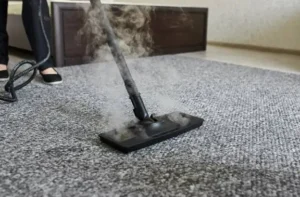
If vacuuming and basic spot cleaning don’t improve how your carpet looks, it’s time for professional cleaning. Hot-water extraction (steam cleaning) is the most common method. It uses hot water, cleaning solutions, and strong suction to loosen and remove dirt that is stuck deep in the carpet.
For carpets with heavy traffic lanes or textured fibers, a Rotovac machine provides deeper cleaning because it scrubs the carpet from multiple directions. If the carpet has pet urine, odors, or other organic stains, enzyme treatments break down the proteins that cause the smell and the repeated staining.
The best results usually come from a full process that includes:
This combination removes deep soil, restores the carpet’s appearance, and helps keep it cleaner for longer.
How A-1 Carpet Cleaning Uses These Methods for Ames Homes
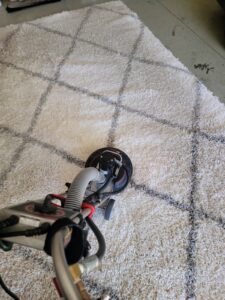
A-1 Carpet Cleaning uses this proven cleaning process to help families in Ames and nearby areas. We start with a HEPA pre-vacuum to remove fine dust, then apply strong pre-treatment solutions to loosen tough dirt. Depending on your carpet and how dirty it is, we use either hot-water extraction or Rotovac deep scrubbing for a deeper clean.
We also use fast-dry methods and a pH-balanced rinse so your carpets don’t end up with sticky detergent residue. If you want extra protection, we can apply Scotchgard, which helps your carpets stay cleaner for longer.
For homes near farms, high-traffic areas, or places affected by pollen and winter salt, we often recommend adding upholstery cleaning or tile and grout cleaning. These services work together to improve air quality, reduce dust, and make the whole home look cleaner and more consistent.
How Often You Should Deep Clean (A Local Ames Plan)
In Ames, how often you clean your carpets depends on your home and lifestyle. Houses with pets, young children, or nearby farmland usually need more frequent deep cleaning because they collect more dirt and dust.
As a general rule:


Comments
Post a Comment